





Building a reading habit can open doors to new knowledge, entertainment, and personal growth. However, many people find it challenging to read regularly amid busy schedules and distractions. The good news is that creating a simple, sustainable reading habit is possible with a few thoughtful strategies.
In this post, we’ll explore practical tips and techniques to help you establish a reading routine that feels enjoyable and achievable.
Why Build a Reading Habit?
Before diving into how to build the habit, it’s helpful to understand why reading regularly matters. Reading improves vocabulary, sharpens focus, and enhances empathy. It also offers a healthy way to unwind and reduce stress.
By making reading a daily part of your life, you gain continuous access to these benefits while cultivating a rewarding pastime.
Start Small and Be Realistic
One common mistake is setting overwhelming goals like reading a book a week or dedicating hours each day. Instead, begin with manageable targets to avoid burnout.
– Set a short daily reading time: Commit to reading for just 5-10 minutes a day at first.
– Choose easy or interesting materials: Pick genres or topics that genuinely intrigue you.
– Be patient: Building a habit takes time. Don’t worry if your reading sessions are brief initially.
Starting with small steps helps build momentum without feeling like a chore.
Create a Dedicated Reading Time and Space
Having a specific time and comfortable place for reading makes the habit easier to keep.
– Pick a consistent time: Morning, lunch break, or before bed—find a moment that fits your routine.
– Designate a cozy spot: A favorite chair, nook, or quiet corner can become your reading zone.
– Minimize distractions: Turn off notifications or use “Do Not Disturb” mode on devices.
When your brain associates a certain time and place with reading, it becomes a natural part of your day.
Use a Variety of Reading Materials
Reading doesn’t have to mean only books. Mixing up formats can keep things fresh and engaging.
– Books: Fiction, non-fiction, novels, or biographies.
– Magazines and newspapers: Great for staying informed or exploring new interests.
– Blogs and articles: Convenient for shorter reading sessions or specific topics.
– Audiobooks: Perfect for when you’re on the go or multitasking.
Exploring different types of material prevents boredom and caters to your mood and schedule.
Set Clear, Achievable Goals
Goals provide direction and motivation but should be realistic to avoid frustration.
– Daily goals: Number of pages or minutes.
– Weekly goals: Finish a chapter or a short book.
– Challenge yourself: Join reading challenges or clubs for extra encouragement.
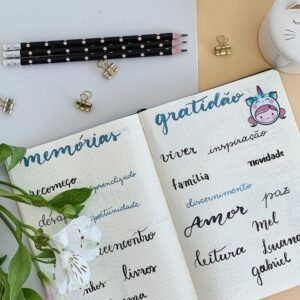
Track your progress using apps, journals, or calendars to celebrate milestones and stay accountable.
Make Reading Social and Fun
Sharing your reading experience can increase motivation and enjoyment.
– Join a book club: Online or local groups provide community and discussion.
– Share recommendations: Talk about books with friends or family.
– Write reviews or notes: Reflecting on what you read deepens understanding and commitment.
Social interaction adds a meaningful layer to your habit while expanding your reading horizons.
Handle Interruptions with Flexibility
Life can interrupt your reading time, and that’s okay.
– Be flexible: If you miss a session, just resume the next day without guilt.
– Use spare moments: Read during commutes, waiting times, or short breaks.
– Adjust goals as needed: Sometimes shorter sessions are better than none.
Consistency is about regularity over perfection.
Tips to Stay Motivated
Keeping a reading habit alive requires ongoing inspiration.
– Remind yourself why you read: Focus on benefits like relaxation, learning, or entertainment.
– Keep books visible: Display books where you can easily see and pick them up.
– Reward yourself: Treat yourself after finishing a book or reaching a milestone.
– Switch genres: Trying new styles can renew interest and spark curiosity.
Motivation ebbs and flows; having strategies helps sustain the habit long-term.
Final Thoughts
Building a simple reading habit starts with small, realistic steps and a bit of consistency. By creating a dedicated time and space, choosing diverse materials, setting clear goals, and staying flexible, reading can become a rewarding daily ritual.
Remember, the purpose is to enjoy and benefit from reading—not to stress over perfection. Whether you read a few pages or chapters, every little effort counts toward a lifelong habit.
Happy reading!



More Stories