





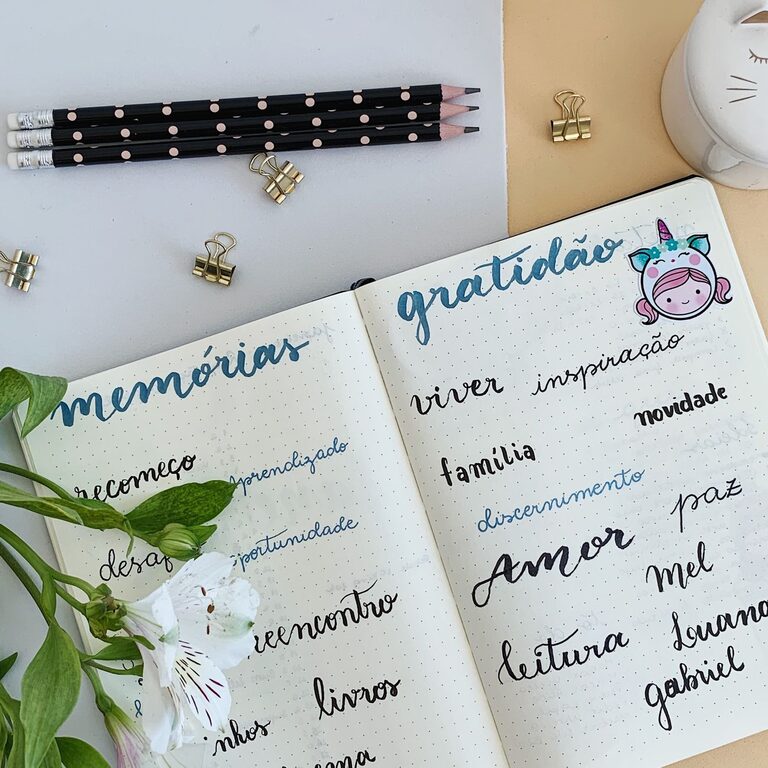
Starting a gratitude journal is a simple yet powerful way to cultivate a more positive outlook on life. Taking time to reflect on things you appreciate can improve your mood, increase happiness, and help you manage stress. If you’re new to the idea or unsure how to begin, this guide will walk you through everything you need to create and maintain your own gratitude journal.
What Is a Gratitude Journal?
A gratitude journal is a personal record where you regularly write down things that you’re thankful for. These can be big or small moments, experiences, or people that bring joy or comfort into your life. The practice encourages you to focus on positive aspects of your day, helping shift your mindset from negativity or stress to appreciation.
Benefits of Keeping a Gratitude Journal
Before diving into how to start, it’s helpful to understand why this habit is worthwhile.
– Improves Mental Health: Studies show that people who keep gratitude journals often experience reduced symptoms of depression and anxiety.
– Enhances Well-being: Focusing on the positive increases feelings of happiness and life satisfaction.
– Boosts Resilience: Recognizing good things, even during tough times, can build emotional strength.
– Improves Sleep: Reflecting on positive experiences before bed can promote better sleep quality.
– Strengthens Relationships: Noticing and appreciating others can deepen your connections with family and friends.
How to Choose Your Journal
You don’t need a special notebook to get started. Here are some options:
– Traditional Notebook: A simple lined or blank journal dedicated just to your gratitude entries.
– Digital Apps: Apps designed for journaling or note-taking make it easy to write on your phone or computer.
– Bullet Journal: If you enjoy creative layouts, bullet journals allow you to combine gratitude writing with art and other notes.
– Planner or Diary: Some planners have space for daily reflections where you can include gratitude notes.
Choose whatever feels comfortable and convenient so you’ll be more likely to keep the habit going.
Setting Up Your Gratitude Journal Practice
1. Pick a Time
Establish a consistent time of day for writing. Many people prefer mornings to set a positive tone for the day or evenings to reflect before bedtime. Choose a time when you’re least likely to be interrupted.
2. Start Small
You don’t need to write a long list each day. Even 3 to 5 things you’re grateful for can make a difference. It can be as simple as a sunny moment, a kind word, or a favorite meal.
3. Be Specific
Instead of vague statements like “I’m grateful for my family,” try “I’m grateful for the funny conversation I had with my sister today.” Specific details make your gratitude more meaningful.
4. Mix It Up
Don’t feel obliged to write the same types of things every day. Gratitude can be about anything: nature, achievements, personal qualities, or even simple comforts like a warm cup of tea.
5. Use Prompts If Needed
If you’re unsure what to write, prompts can help spark ideas. Examples include:
– What made you smile today?
– What is something you take for granted but appreciate?
– Who has made a positive impact on your life recently?
– What challenges have you overcome?
Tips for Staying Consistent
– Set Reminders: Use phone alarms or calendar events to remind yourself.
– Keep Your Journal Visible: Place it where you’ll see it daily, like next to your bed or on your desk.
– Make It Enjoyable: Use colorful pens, stickers, or drawings if that motivates you.
– Don’t Stress Perfection: There’s no right or wrong way to do this. The key is regular reflection, not flawless writing.
– Review Past Entries: Occasionally reread your journal to see how your gratitude practice grows and to revisit positive moments.
Sample Gratitude Journal Entry
Date: April 5, 2024
Today I’m grateful for:
– The encouraging message my friend sent me this morning.
– The peaceful walk I took in the park during lunch.
– The delicious homemade dinner I enjoyed with my family.
– My cozy blanket that kept me warm during a chilly evening.
– The opportunity to learn something new at work today.
What to Do When You Miss a Day
Life can get busy, and sometimes you might forget or feel unmotivated. If this happens, don’t worry or give up. Just start fresh the next day. Remember, gratitude journaling is about building a habit over time, not about perfection.
Additional Creative Ideas
– Gratitude Jar: Write short notes of gratitude on slips of paper and collect them in a jar to read later.
– Photo Journal: Combine your gratitude entries with photos that represent things you appreciate.
– Gratitude Letters: Occasionally write letters of thanks to people who have impacted your life (you don’t have to send them if you prefer not to).
Final Thoughts
Starting a gratitude journal is an accessible way to boost your well-being and highlight the positives in your daily life. With just a few minutes each day and a little practice, you can create a meaningful routine that helps you focus on what truly matters.
Give it a try—you might be surprised at how much of a difference it makes!



More Stories