


Composting is a fantastic way to reduce kitchen and yard waste while creating nutrient-rich soil for your garden. If you’re new to composting, it might seem a bit intimidating, but with a few simple tips, you can start turning your organic waste into “black gold” right at home. In this post, we’ll guide you through beginner-friendly steps and helpful ideas to make composting easy, effective, and enjoyable.
What is Composting?
Composting is the natural process of breaking down organic material, like vegetable scraps and leaves, into a rich soil amendment called compost. This process is fueled by microorganisms and small critters that digest and transform the waste. The end result is a dark, earthy substance that can improve soil health, retain moisture, and promote plant growth.
Why Start Composting at Home?
– Reduce waste: Composting helps divert food scraps and yard waste from landfills, cutting down on methane emissions.
– Enrich your soil: Homemade compost adds valuable nutrients and improves soil texture.
– Save money: Reduce the need for store-bought fertilizers and soil conditioners.
– Support the environment: Composting encourages recycling of natural materials and promotes sustainability.
—
Getting Started: Basic Composting Tips
1. Choose a Composting Method
There are several ways to compost at home. The right method depends on your space, time, and preferences:
– Compost bin: A simple container or bin that holds your scraps and yard waste. Good for small to medium spaces.
– Compost pile: An open pile in your backyard where you collect compostable materials.
– Tumbler composters: Enclosed containers that can be rotated to mix materials, speeding up decomposition.
– Vermicomposting: Using worms to break down kitchen scraps. Great for indoor composting and smaller spaces.
2. Find the Right Spot
Place your compost bin or pile in a well-drained, accessible location with some shade. This helps maintain moisture and keeps the process manageable.
—
What to Compost: Materials to Include and Avoid
Greens (Nitrogen-Rich Materials)
– Vegetable and fruit scraps
– Coffee grounds and tea bags
– Fresh grass clippings
– Plant trimmings
Browns (Carbon-Rich Materials)
– Dry leaves and straw
– Paper and cardboard (shredded)
– Wood chips and sawdust (unscented, untreated)
– Eggshells (crushed)
Avoid Composting
– Meat, dairy, and oily foods (can attract pests)
– Diseased plants or weeds with seeds
– Pet waste
– Treated wood or synthetic materials
—
Balancing Greens and Browns: The Composting Ratio
For best results, aim for a balance of greens and browns in your compost. A common recommendation is about 2 to 3 parts browns for every 1 part greens. Browns provide carbon, while greens supply nitrogen, both essential for microbial activity.
—
Maintaining Your Compost
1. Turn or Mix Regularly
Aerate your compost by turning it with a garden fork or using a tumbler. This adds oxygen, which speeds up decomposition and prevents odors.
2. Monitor Moisture
Your compost should be as damp as a wrung-out sponge. Water it if it’s too dry, or add more browns if it’s too wet.
3. Be Patient
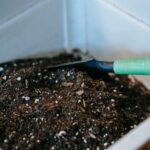
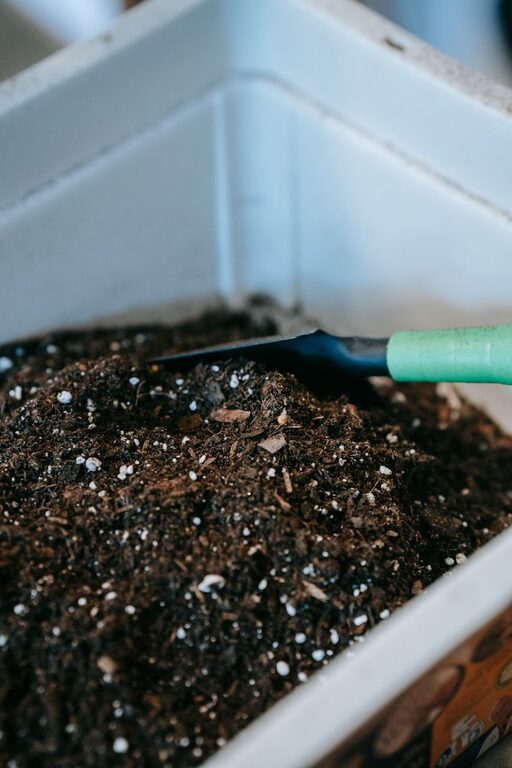
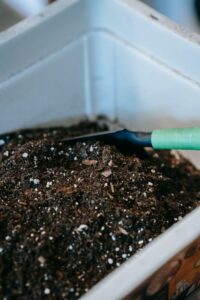
Depending on conditions, compost can take a few months to a year to be ready. You’ll know it’s finished when it’s dark, crumbly, and smells earthy.
—
Troubleshooting Common Composting Issues
– Foul smell: Usually caused by too much moisture or greens. Mix in dry browns and turn the pile.
– Slow decomposition: May need more nitrogen, moisture, or aeration.
– Pests: Avoid adding meat or oily foods. Use a covered bin or bury scraps deeper.
—
Using Your Finished Compost
Once your compost is ready, use it in your garden beds, potted plants, or lawn. It improves soil structure, supplies nutrients, and helps retain moisture. Simply mix it into your soil or use it as a top dressing.
—
Final Tips for Successful Home Composting
– Chop or shred larger materials to speed breakdown.
– Keep a kitchen pail handy for scraps to reduce trips outside.
– Learn and experiment to find what works best for your home.
– Be consistent, but don’t worry about perfection.
—
Composting at home is a simple, practical way to reduce waste and enrich your garden. With these beginner tips, anyone can start composting successfully. Happy composting!


More Stories